
Alysia Christiaen
Dolly Parton, Gloria Steinem, and the Child-Free Legacy Myth
Two women died this month with charities and movements to their names, and their obituaries still had room to mention what they didn't have.
A space to share our experiences and thoughts about being child-free in the workplace.
Two women died this month with charities and movements to their names, and their obituaries still had room to mention what they didn't have.
A viral TikTok claims that because children are what "nature expects," you need a "damn good reason" not to have them. That framing treats parenthood as a debt and child-free people as the deviation that needs explaining. But the ability to have children is not an obligation to have them — and no one owes an explanation for a life built deliberately.

Jennifer Lawrence recently flipped a familiar script: why do child-free people get grilled about their choice, while people who want kids rarely get asked if they're sure? This piece runs with that idea arguing that parenthood, not childlessness, is the decision that deserves real scrutiny, and that kids deserve to be wanted, not just expected.

The "office spare battery"—that's how child-free workers have long been treated, expected to cover late meetings, extra assignments, and holiday shifts because managers assume they have nothing else going on. But a 2009 study revealed the truth: these workers were never care-free. They were supporting family financially, providing direct caregiving, and caring for pets. Seventeen years later, the demographic has shifted dramatically—nearly half of adults under 50 now say they're unlikely to ever have kids—yet the workplace script has barely changed. With one in four American adults now a caregiver and eldercare becoming an urgent reality, it's time employers stopped pretending care only counts when it flows down to children. Care runs upward to elders, outward to siblings and friends, and inward to the commitments that make a life.

As governments grow increasingly concerned about declining birth rates, the conversation around reproduction is shifting in troubling ways. What begins as economic policy can quickly become social pressure — especially for women. This article explores why reproductive autonomy matters, why pronatalist policies often miss the real issue, and why women do not owe the state, the economy, or society children.

A recent episode of the Smartless podcast where hosts Jason Bateman and Sean Hayes interview Charli xcx exemplifies both the dumb response and the unwarranted examination when she told them that she didn’t want to have kids.
This series shares real responses left on my posts about being child-free, not to provoke or defend, but to examine what they reveal.
The questions you ask — and the assumptions behind them — shape workplace culture. If we want inclusive, respectful environments, we need to recognize that not all differences are visible, and not all personal choices are open for discussion.

It is often assumed that child-free employees are less satisfied at work — quietly disengaged, under-rewarded, or disadvantaged by so-called “family-friendly” workplace policies that do not reflect their lives.

You shouldn’t have to give up the parts of the season that matter to you simply because you’re child-free. Your joy counts too.

Women without children — especially those who choose this path — still face stigma, bias, and even risk. Not because of who we are, but because of how others feel about the choices we’ve made.
Being child-free doesn’t make us less ambitious, less responsible, or less fulfilled — it just means we’ve chosen a different version of a good life.
We asked and you answered: What is one thing you wish more people understood about being child-free?

The phrase “work–life balance” often conjures images of harried parents juggling school drop-offs, Zoom (or in my world, Teams) calls, and commutes as workers return to the office. But what happens when “life” doesn’t include children or a partner?
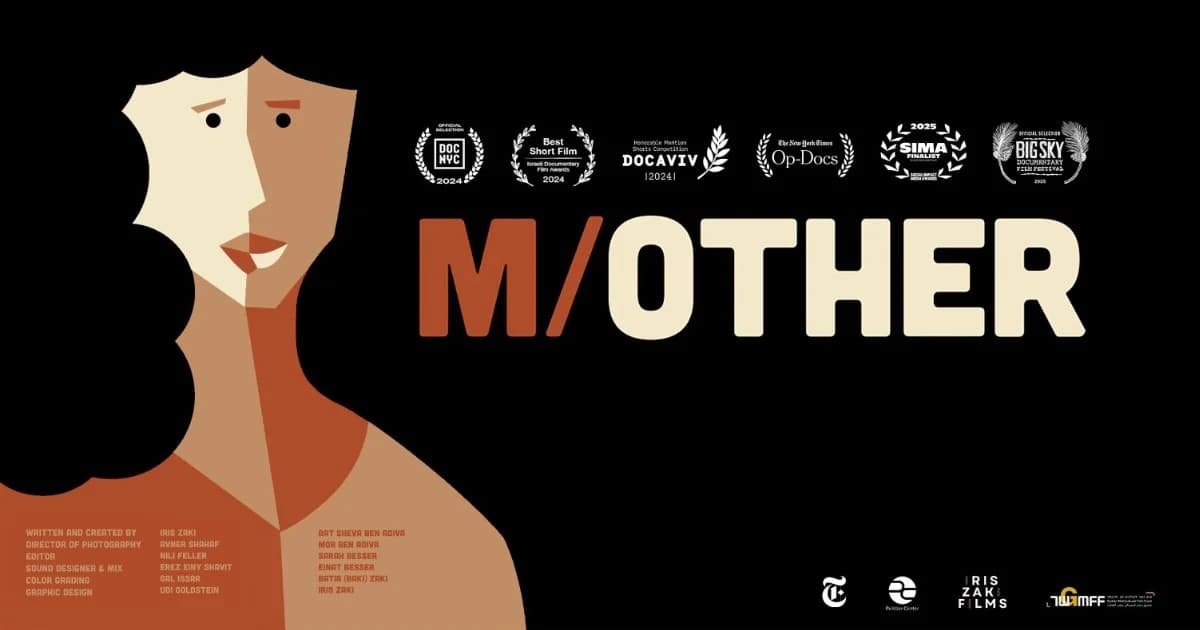
Ever feel like you're letting your mom down by choosing not to have children—even if she’s never said it aloud? If so, M/other, a short documentary by Iris Zaki, is for you.

Seth Rogen is a man who is open about his and his wife, Lauren Miller’s, desire not to have children. And that is what makes me love him even more.

Michal Leibowitz’s article in the New York Times is an insightful, genuine, and thought-provoking piece that will give you something else to ponder when deciding whether to embrace being child-free.

Forming a family and having children is often portrayed as a key part of a fulfilling life. Many hold this to be true. But what happens when this dream doesn't come true? A study explores how films portray involuntary childlessness and how these portrayals contribute to the stigma of those without children.

Employers need to review their workplace benefit programs, including health insurance coverage, with a critical eye to evaluate whether these programs are fair to their child-free employees.

In "Women Without Kids: The Revolutionary Rise of an Unsung Sisterhood," Ruby Warrington explores her decision to be child-free, boldly tackling stereotypes that plague the child-free, explaining how these prejudices originated and why they are misguided.

For decades, employers have worked to create a work culture that is friendly to their employees with children. And why wouldn’t they?

In the article, work-life balance referred to “the way in which individuals combine paid work and commitments outside of work”. Work-life arrangements included access to paid leaves and the ability to request flexible or remote working.

I wasn’t always comfortable with the idea of travelling by myself. If I couldn’t find a friend to travel with, I didn’t go. Then I happened across a book …

Scott’s article does a fantastic job of questioning the pressures that child-free women may place on themselves to explain – or justify – their life choices to others.

Musk agreed that the right to vote should be restricted to only parents. He had previously commented that “the childless have little stake in the future.”

How do perceptions of women who are both child-free and in leadership positions intersect in the workplace?

Reflecting on the theme of International Women’s Day 2025, #AccelerateAction, I keep returning to the thought that we hold ourselves back too often.

I am deeply dissatisfied with the idea that my life's “long-lasting impact” could be based on anything other than my actions and their outcomes. I’m sure many parents feel the same way.
Why should the very personal decision of whether or not to have children elicit any kind of a response in another individual?

What the hell does a woman have to do to exemplify the behaviour we want young people to strive to achieve?

Many of us without children feel we get the short end of the stick regarding employer expectations when it comes to “taking one for the team.”

Recently, Thessaly La Force made a statement in Vogue that caused such a visceral reaction that I felt compelled to address it.

As child-free women, we put more pressure on ourselves to take one for the team than our employers put on us.

Women do 29% more office housework than white men. They are also more likely to be approached to do it and more likely to volunteer to do it. This needs to change.

I don’t understand JD Vance's hate-on for cats. In fact, I question if he has ever been around one.

I am a child-free woman in the workforce and damn proud, and even more damn happy, with my decision not to have kids. Despite my confidence in my decision to not have children being the right one for me, being asked, “Do you have kids?” immediately makes me feel uncomfortable.

If you read my inaugural blog, then you know that “that damn question” is “Do you have kids?” Here, I want to tackle how to answer that damn question.